|
Shared history - Shared dilemmas  When coming home from Europe, the question often asked is “how do they see us over there?” A negative or critical view wouldn’t be as frustrating as my usual answer: “they do not see us at all; I did not find a single article on South America in the newspapers during my stay”. Such invisibility is a shock to our pride, and not easy to swallow in my home town Montevideo, whose very name derives from being seen by Europeans - “monte vide eu” or “I see a mountain” in XVI century Portuguese. When coming home from Europe, the question often asked is “how do they see us over there?” A negative or critical view wouldn’t be as frustrating as my usual answer: “they do not see us at all; I did not find a single article on South America in the newspapers during my stay”. Such invisibility is a shock to our pride, and not easy to swallow in my home town Montevideo, whose very name derives from being seen by Europeans - “monte vide eu” or “I see a mountain” in XVI century Portuguese.
So how do I see Europe? My generation was raised seeing it as History with a capital H. Maybe not “dead history” like that of “Orient and Greece”, but still of the past. The old decadent lady, nostalgic of old glories but with her house divided, destroyed by wars and basically decrepit. A place, or rather many different places, our parents or grandparents did not want to talk much about having left behind persecution or poverty. The future was here. Now that the migratory flow has reverted, their grandchildren start to see Europe as an ungrateful fortress defending itself from “barbarians”. Strategists (not just those sitting in cafés) put hope in the fortress becoming strong enough to challenge the monopoly of a single superpower. Diplomats usually complain about the hypocrisy of helping with one hand while extracting concessions with the other that render the aid ineffective because of unfair trading terms. Politicians see a model for integration based on human rights, not just the cold and unmerciful working of the markets. I see it as a place as puzzled as us about very much the same dilemmas. Yet I see hope in that uncertainty is admitted and debated and the question dares now to be asked: “how do they see us over there?”
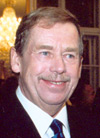
Roberto Bissio - Biography
|