


Arancha Gonzalez urges landlocked poor countries to play active role in trade facilitation talks


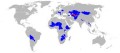 There are about 40 landlocked countries in the world, most of these countries being small and poor. During a Brainstorming Meeting on the Priorities of the New Development Agenda for Landlocked Developing Countries, Ms Arancha Gonzalez, Chief of Staff of WTO Director-General Pascal Lamy, urges landlocked, least developed countries to have a more active role in the WTO negotiations. Ms Gonzalez stated “It is important that your specific concerns are on the table and that the centrality which you give to trade facilitation in this Almaty process effectively translates into negotiations in Geneva.”
The negotiations for a multilateral trade facilitation agreement are on-going at the WTO. This is seen by many WTO members as a concrete deliverable for the 9th WTO Ministerial in Bali in December. And it is not only governments who see merit in an international agreement that standardises the software of trading; national and international business has raised this as a key expectation from the WTO process. The Business-20, the 2013 Global Summit of the International Chamber of Commerce most importantly, the small and medium sized enterprises making many LLDC call for the reduction of the thickness of boarders.
The WTO's work on Aid for Trade continues to put a focus on the needs and priorities of developing countries, especially least developed countries (LDCs). Since the Aid for Trade initiative was launched in 2005, approximately US$ 200 billion has been mobilized in Aid for Trade, with some US$ 60 billion directed to LDCs. Aid for Trade for least-developed LLDCs increased from an average US$ 3 billion in 2002-05 to US$ 6 billion in 2010.
Ms Gonzales ended her speech by stating “The WTO will continue to work closely with you on all these fronts to ensure that trade and improved export competitiveness of LLDCs can contribute to greater growth and development.”
Source: