


UN lays foundation for drought resilient societies


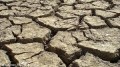 A high level UN conference has for the first time laid the foundations for practical national drought policies that would increase resilience to this climate change aggravated natural hazard. The High-level Meeting on National Drought Policy was the first of its kind in the attempt to move anti-drought policies towards a science-based approach to disaster risk reduction.
“Prevention must be our priority”, said U.N. Secretary-General Ban Ki-Moon in a message to delegates. “Nations need urgently to develop strategies for resilience — especially for the poor, who are always hit first and worst”. The conference issued a declaration that encourages governments to develop and implement national drought policies that are consistent with their development objectives, providing scientific and policy guidance on how to achieve this.
Held on 11-15 March, the meeting was organized by the World Meteorological Organization (WMO), the Food and Agriculture Organization of the United Nations (FAO) and the UN Convention to Combat Desertification (UNCCD) as well as other partners. More than 300 government decision-makers, development agencies, and leading scientists and researchers attended the conference.
Droughts are the among the world’s costliest natural disaster, accounting for $6 to $8 billion annually, with an impact on more people than any other natural disaster. Over 11 million people have died as a result of droughts since 1990, and 2 billion people have been affected. Moreover, the frequency, intensity and duration of droughts are on the rise as a result of climate change.
Source: